

What Is a Root Barrier for Trees? How It Protects Your Property
Larry Moak • November 24, 2026
Tree roots do not check property lines, foundation edges, or plumbing maps before they grow. They follow moisture, organic material, and the path of least resistance, which in a city built on expansive clay soil often leads directly toward the structures you most need to protect. A root barrier for trees is a physical intervention that redirects that growth before the damage becomes structural. It is one of the more practical tools in urban tree management, and in the Greater Houston area, where mature canopy and dense residential development coexist on relatively small lots, it is a conversation more property owners should be having.
Why Do Tree Roots Become a Problem for Houston Properties?
Houston's clay-heavy soil creates a specific pattern of root behavior that accelerates conflict between trees and structures. During dry periods, clay contracts and opens lateral channels through the soil. During wet periods, it expands and closes them. Tree roots exploit those channels as they develop, consistently migrating toward moisture gradients, which in a built environment means plumbing joints, foundation slab edges, and sidewalk seams. As such, installing a root wall barrier in Houston becomes relevant in neighborhoods where older trees have extended their root systems, needing extensive repairs to lifted driveways and cracked sidewalks.
What Is a Root Barrier for Trees and How Does It Work?
A root barrier for trees is a physical or chemical boundary installed vertically in the soil to redirect root growth away from sensitive structures. Physical barriers are the most commonly used type in residential and commercial applications. They are typically constructed from high-density polyethylene panels installed at depths ranging from 18 to 36 inches, depending on the tree species, growth rate, and the depth of the structure being protected.
The barrier does not harm the tree. It redirects root growth downward or outward rather than cutting it off entirely, which means the tree retains its structural root system while the redirected growth path steers development away from the target zone.
Chemical barriers work differently, using slow-release herbicidal compounds embedded in permeable fabric to inhibit root growth at the treated zone. These are typically used where excavation for a physical barrier would cause too much disruption to the existing root structure.
For properties where root management connects to broader tree health or removal decisions, our tree services page covers how these elements work together.
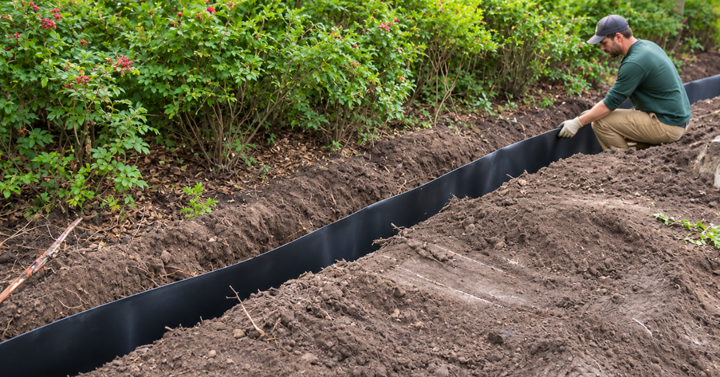
What Does Tree Root Barrier Installation Actually Involve?
When it comes to tree root barrier installation, it all starts with a site assessment to map the existing root zone, identify the structures at risk, and determine the appropriate barrier depth and material for the species involved. This step matters more than most homeowners expect. Installing a barrier at the wrong depth for the species is only marginally better than not installing one at all.
Excavation follows, typically using a trenching machine on open ground or hand excavation near sensitive root zones where mechanical digging would cause structural root damage. Barrier panels are installed vertically, overlapped at joints to prevent root penetration through the seam, and backfilled in compacted lifts to prevent settling. The surface is then restored to match the existing grade and hardscape.
For properties with mature trees in Houston's inner and near-loop neighborhoods, access constraints and root sensitivity frequently require hand-digging methods that take more time but protect the tree's structural integrity throughout the installation process. Cutting a major structural root during barrier installation defeats the purpose of protecting both the tree and the adjacent structure.
How Does The Lone Star Tree Czar Approach Root Barrier Work in Houston?
We approach root barrier in Houston projects the same way we approach every job: site assessment first, fixed-scope quote second, clean execution third. Our team selects barrier depth and material based on the specific tree species and site conditions rather than applying a standard template to every situation. A live oak near a sidewalk requires a different approach than a Chinese tallow near a slab foundation.
If you have a mature tree near a foundation, driveway, or plumbing line and have noticed early signs of root pressure, such as lifting pavement, slow drains without a clear cause, or hairline foundation movement, do not wait for the damage to become structural. Early intervention with a properly installed root barrier is less expensive, less disruptive, and more effective than reactive repair after the root system has already established itself in the problem zone.
Root Problems Don't Wait: What the Lone Star Tree Czar Delivers
Tree root intrusion is a slow problem until it is not. A barrier installed today protects a foundation, driveway, or plumbing line for 15 to 20 years. Waiting until the damage is visible means paying for both the barrier and the repair. The Lone Star Tree Czar brings the assessment experience and installation capability to get this right the first time for Greater Houston property owners who want a permanent solution rather than a recurring maintenance expense.
Frequently Asked Questions
1. Do root barriers really work?
Yes, when matched to the correct species and installed at the appropriate depth. High-density polyethylene physical barriers have been documented by the University of California Cooperative Extension to redirect root growth effectively for 15 to 20 years. Effectiveness depends heavily on proper depth selection and joint overlap during installation, which is why professional assessment matters.
2. How do you install root barriers for trees?
Installation begins with a site assessment to map the root zone and determine barrier depth. Excavation follows using a trenching machine or hand digging near sensitive roots. HDPE panels are installed vertically, overlapped at joints, and backfilled in compacted lifts. The surface grade and hardscape are then restored to pre-installation condition, leaving the barrier entirely below ground.
3. What is a root barrier system?
A root barrier system is a combination of physical or chemical boundaries installed in the soil to redirect tree root growth away from structures, plumbing, and paving. Physical systems use vertical HDPE panels. Chemical systems use slow-release herbicidal compounds embedded in permeable fabric. Physical systems are more commonly used in residential applications because they do not affect the tree's health above the treated zone.
4. Should I install a root barrier or remove the tree?
The decision depends on the tree's structural value, its proximity to the structure, and the extent of existing damage. If the tree is healthy and the damage is early-stage, a root barrier is often the better answer because it protects the structure while preserving the tree. If the tree is already causing significant structural damage or is in decline, removal combined with foundation or plumbing repair may be the more practical long-term solution.
5. What types of trees benefit from root barriers?
Trees with aggressive lateral root systems benefit most: live oak, Chinese tallow, silver maple, and certain fig species are among the most common candidates in the Greater Houston area. Fast-growing species in general are higher-risk near structures and are strong candidates for barrier installation at the time of planting rather than reactively after root systems have established.
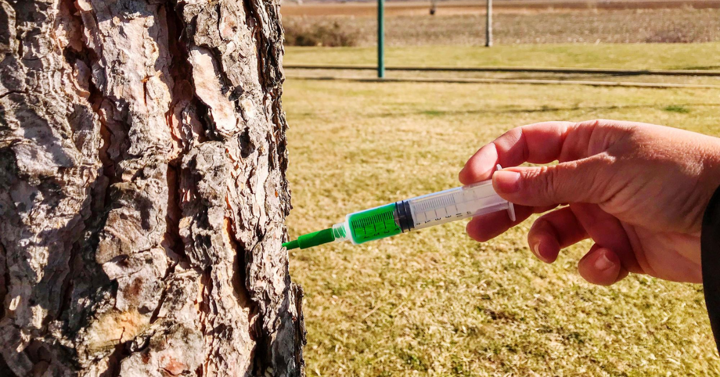
Learn how pine bark beetle treatment can help protect your trees from bark beetle damage. Explore effective control methods and professional tree care solutions from The Lone Star Tree Czar.

Houston tree services can help with dead branches, tree disease, storm damage, and other warning signs. Learn when your trees may need professional care.
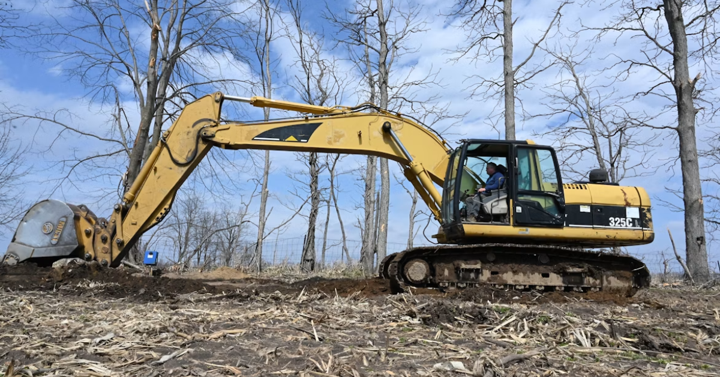
Discover what land clearing service includes in Houston, from brush and invasive species removal to stump removal, debris cleanup, tree preservation, and drainage.
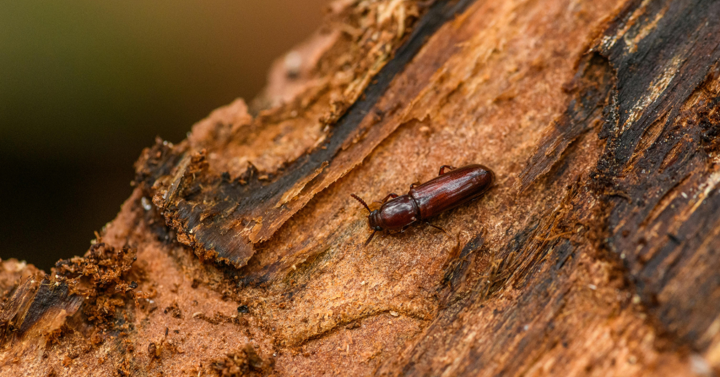
Learn about pine bark beetle treatment options, effective insecticides, and tree protection strategies from The Lone Star Treeczar to help protect your pine trees.
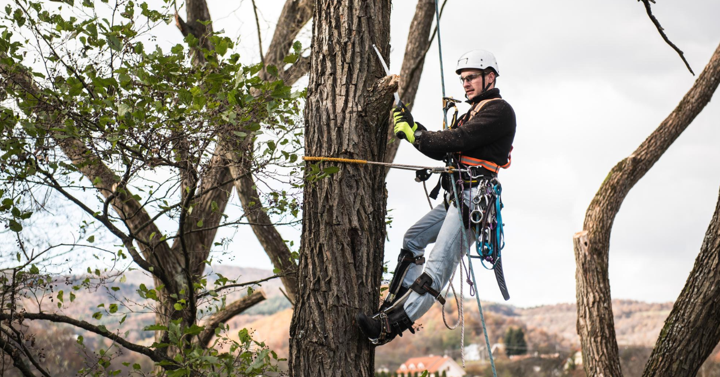
Find the right Houston tree services for your property with expert guidance from The Lone Star Treeczar on choosing reliable tree care and service options.
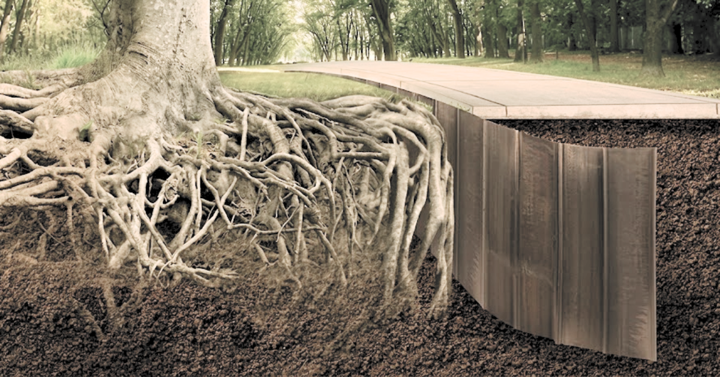
Discover the value of root wall barriers for protecting Houston foundations from invasive tree roots. The Lone Star Treeczar shares practical insights into root management solutions that support healthy trees while helping reduce the risk of structural damage.
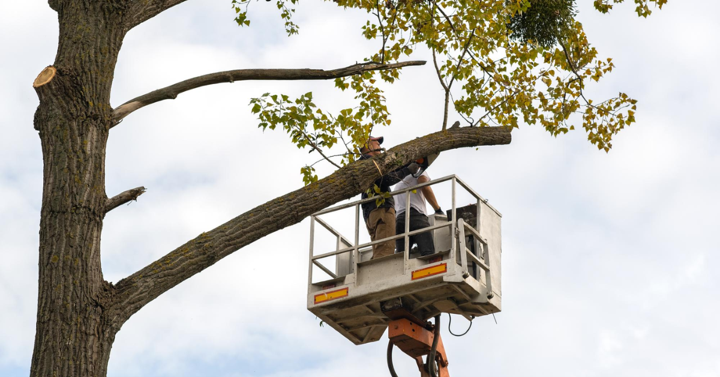
Explore the qualities that make tree service in Conroe, TX stand out. The Lone Star Treeczar shares practical insights on professional tree care, experienced service, and the factors that matter when choosing a trusted tree service provider.
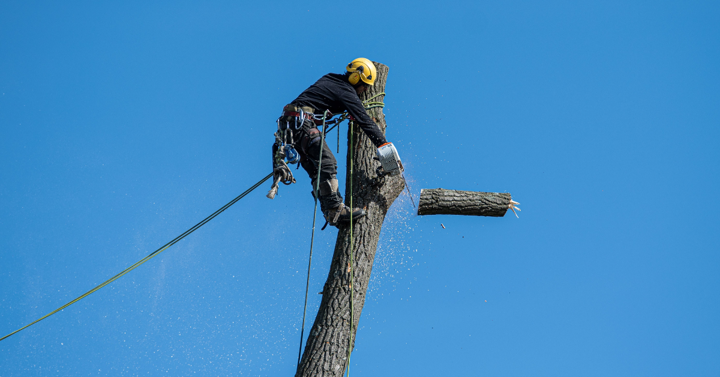
Find the qualities that define a professional tree service company. The Lone Star Treeczar shares practical guidance on experience, safety, and dependable tree care to help property owners make informed service decisions.
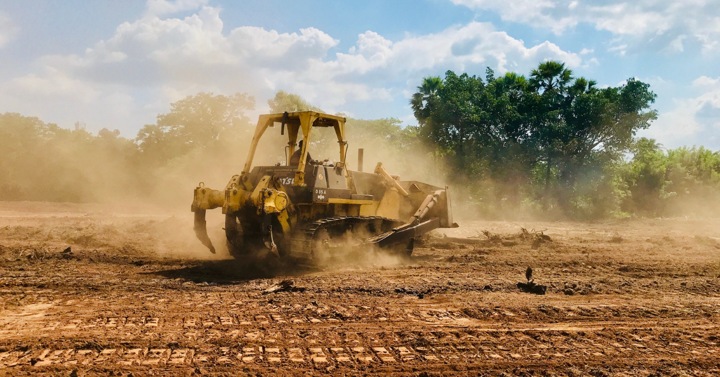
Learn important factors to consider before hiring a land clearing service. The Lone Star Treeczar shares practical guidance to help property owners prepare for safe, efficient, and professional land clearing projects.
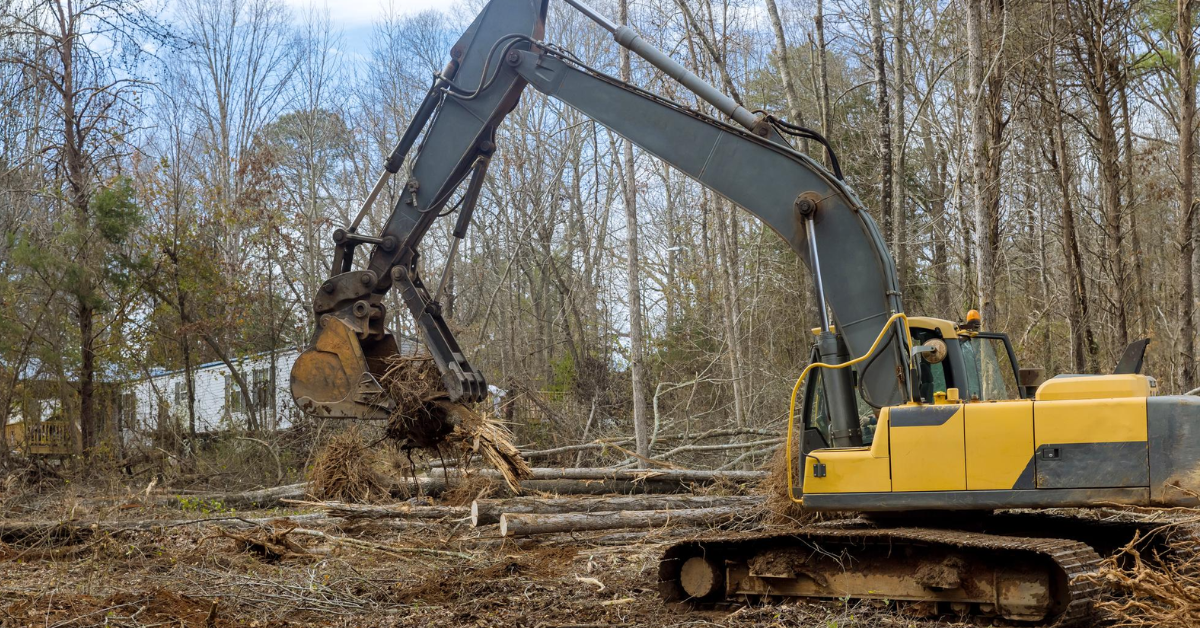
Choose the right land clearing contractor in Texas with expert tips from The Lone Star Tree Czar. Learn what to look for, compare services, and ensure your project is completed safely and efficiently.
