
The Best Insecticide for Pine Bark Beetles to Protect Your Trees
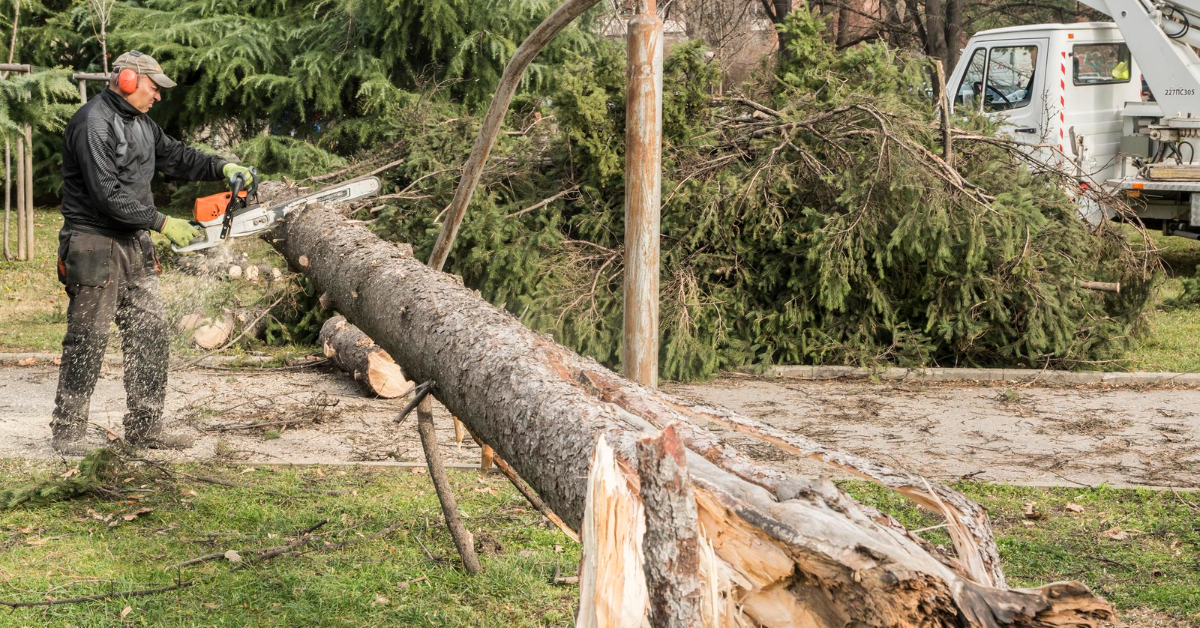
East Texas pine forests face a constant, destructive threat from native wood boring pests. Among these, Southern pine bark beetles are the most aggressive, capable of killing mature trees in a matter of weeks. Homeowners watching their pines show signs of stress need a reliable pine bark beetle treatment strategy to stop the infestation before it spreads across their entire lot. At The Lone Star Tree Czar, we combine biological science with military grade precision to deliver systemic treatments and sanitation removals that protect your timber assets.
How Do Pine Bark Beetles Attack and Destroy Healthy Timber?
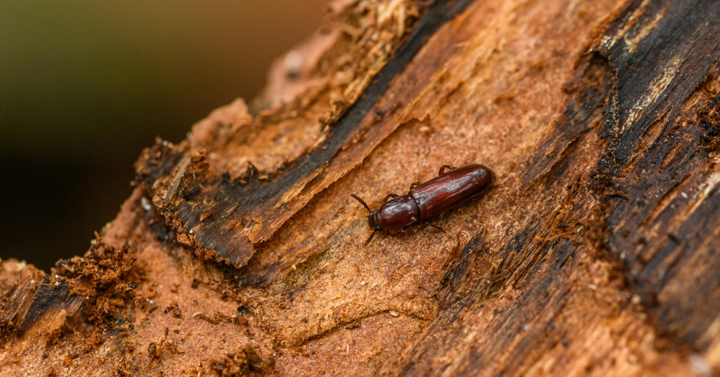
Pine bark beetles are small, dark insects that bore through the outer bark to reach the inner cambium layer. This cambium tissue acts as the tree vascular system, transporting water and synthesized sugars between the roots and needles. As beetles tunnel through this layer, they carve out winding galleries to lay eggs, effectively girdling the tree from within. Furthermore, these pests introduce blue stain fungi that clog the water carrying xylem vessels, causing rapid crown dehydration and tree death.
What Are the Most Effective Chemical Treatments for Pine Beetles?
Chemical defense against bark beetles falls into two main categories: preventative surface sprays and systemic trunk injections. Active ingredients like bifenthrin or permethrin are commonly used as surface barriers to coat the outer trunk, killing adult beetles as they attempt to bore into the bark. However, once beetles penetrate beneath the bark plates, topical sprays lose their effectiveness. Professional arborists rely on systemic chemistry, such as emamectin benzoate, injected directly into the active sapwood to eradicate feeding larvae internally.
Why Are Systemic Micro-Injections Superior to Surface Sprays?
Surface spraying a seventy foot loblolly pine requires high pressure rigs that can cause significant chemical drift onto surrounding lawns, structures, and non target beneficial insects. Systemic micro-injections eliminate drift entirely by delivering small, highly concentrated doses directly into the lower trunk flare. The tree natural transpiration process draws the active formulation upward throughout the cambium tissue. Any beetle attempting to feed on the inner bark ingests the compound and dies immediately, providing up to two years of internal protection without environmental contamination.
When Is the Best Time of Year to Apply Beetle Treatments?
Timing is critical when deploying beetle defense strategies. Preventative systemic treatments should be applied in early spring before adult flight windows begin and ambient temperatures rise above seventy degrees. During warm weather, adult beetles emerge from infested host trees in search of stressed targets. Applying systemic protection early ensures that the active chemical is fully distributed throughout the canopy before beetle populations peak. If a tree already exhibits brown needles across its entire crown, chemical intervention is too late, and immediate sanitation removal is required as outlined on our
pine bark beetle treatment.
How Does Cultural Forest Management Prevent Beetle Outbreaks?
Chemical treatments are most effective when paired with good forest stewardship practices. Bark beetles are opportunistic pests that prefer trees weakened by drought, soil compaction, or construction trauma. Maintaining proper soil moisture during summer droughts keeps internal hydrostatic pressure high, allowing pines to naturally flush out invading beetles with sticky sap. Avoid compacting root zones with heavy vehicles and clear dead or fallen pine timber promptly to eliminate local breeding sites.
Tactical Forestry Defense with The Lone Star Tree Czar
Protecting your pine canopy requires accurate diagnosis, proper timing, and industrial grade application equipment. Our veteran led crew provides honest assessments, determining whether a pine can be saved through systemic treatment or needs immediate removal to protect neighboring timber. We work with total discipline, delivering clear answers and reliable service every time.
Ready to shield your pine trees from beetle damage? Reach out via our Contact Page or call us at (281) 900-1078 to schedule a professional forest health inspection today.
Frequently Asked Questions
1. How to get rid of pine bark beetles naturally?
Natural prevention relies on maintaining tree health. Deep watering during droughts, avoiding root damage, and mulching soil helps pines maintain high sap pressure to naturally push out boring beetles.
2. What causes pine bark beetle infestation?
Infestations are triggered when stressed or drought weakened pines release chemical signals that attract scout beetles. High beetle populations then mass attack host trees, overwhelming their natural defenses.
3. How do insecticides help control pine bark beetles?
Systemic insecticides contaminate the inner cambium tissue. When beetles bore into the bark to feed or construct galleries, they ingest the chemistry and die before establishing brood colonies.
4. What are the signs of a pine bark beetle infestation?
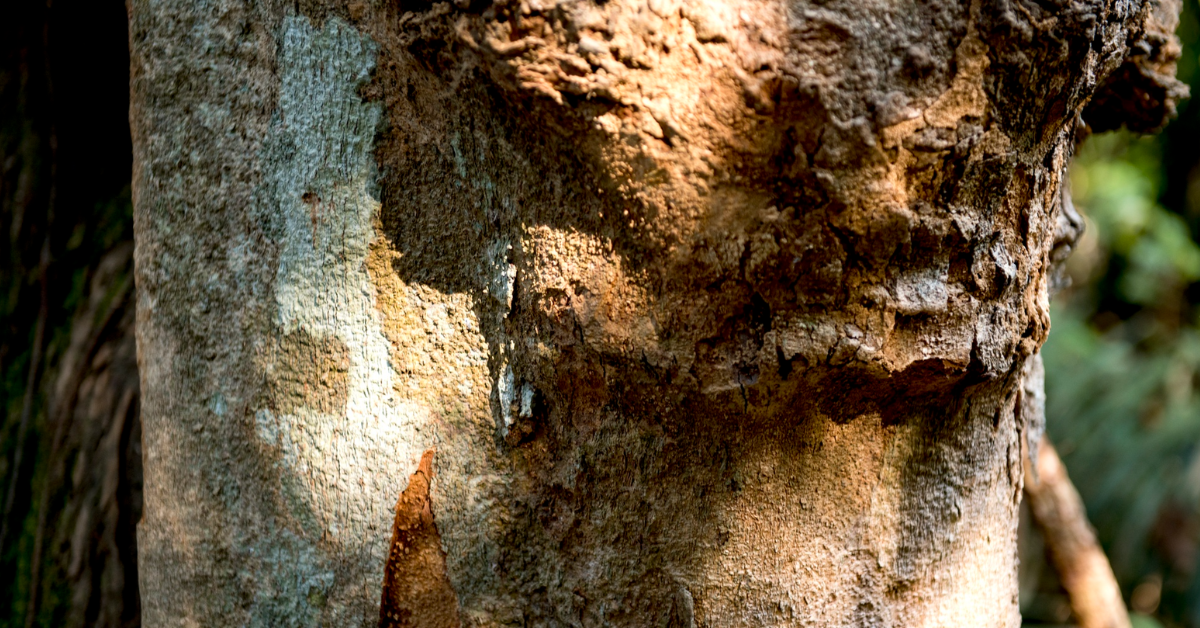
Look for small, popcorn-like sap clumps called pitch tubes on the trunk, reddish sawdust around the base, small hole penetrations in bark crevices, and yellowing or browning canopy needles.