
How can we get rid of pine bark beetles and protect our trees?
Living in Texas means we get to enjoy some of the most beautiful pine forests in the country, but those trees face a silent and deadly enemy. If you have noticed small clumps of sap or thinning needles on your pines, you might be dealing with a beetle problem that moves faster than you think. Finding an effective pine bark beetle treatment is not just about saving one tree; it is about protecting your entire landscape from a biological chain reaction. At The Lone Star Tree Czar, we take an objective look at tree health because we know that a proactive defense is always better than a reactive removal. We aim to offer a fresh perspective on how to manage these pests with military grade precision.
How do these tiny pests destroy a healthy tree?
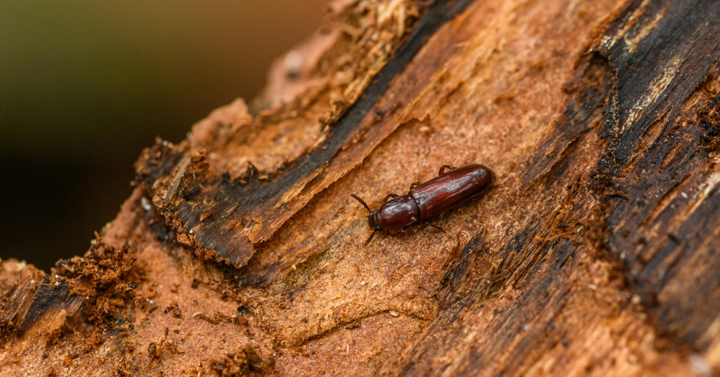
Bark beetles do not actually eat the wood of your tree in the way termites might. Instead, they tunnel into the cambium layer, which is essentially the highway for water and nutrients between the roots and the needles. When hundreds or thousands of beetles attack at once, they effectively girdle the tree from the inside out. This stop in nutrient flow causes the tree to dehydrate and starve in a matter of weeks. In many cases, these beetles also carry specific fungi that further clog the vascular system of the pine.
What are the early warning signs of an attack?
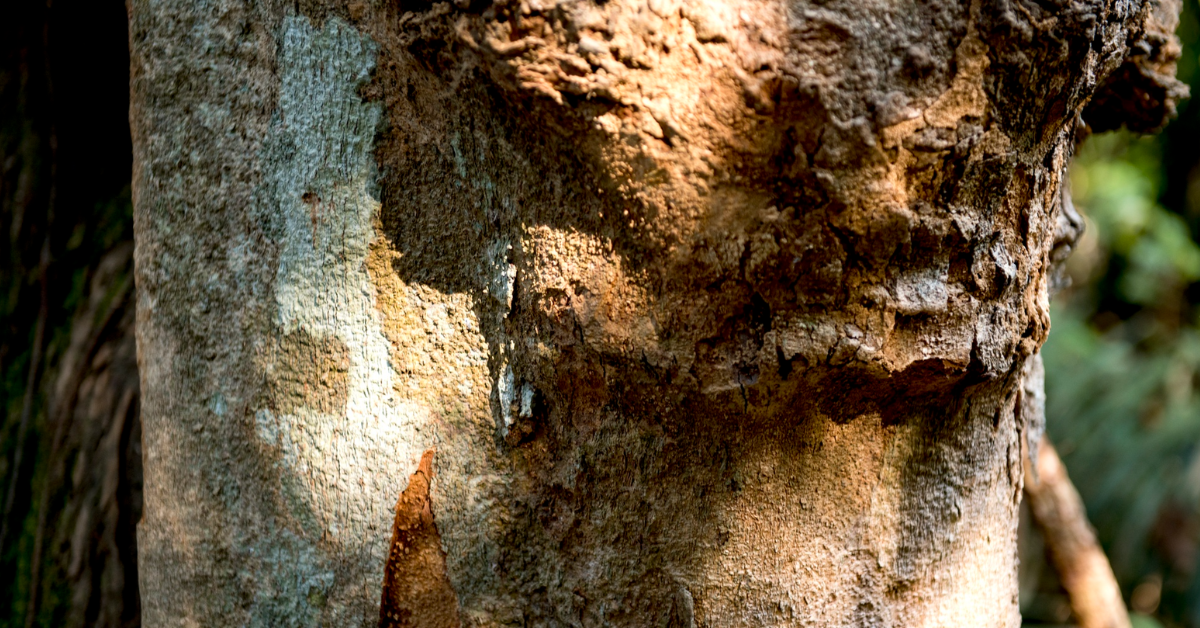
The most common sign is the appearance of pitch tubes on the bark. These look like small pieces of popcorn made of dried sap. The tree produces this sap as a defense mechanism to try and push the beetle out of the tunnel. You might also notice fine sawdust, known as frass, accumulating in the crevices of the bark or at the base of the trunk. By the time the needles turn red or brown, the tree is usually beyond the point of saving, which is why early detection is the only real path to success.
Is there a way to prevent future infestations?
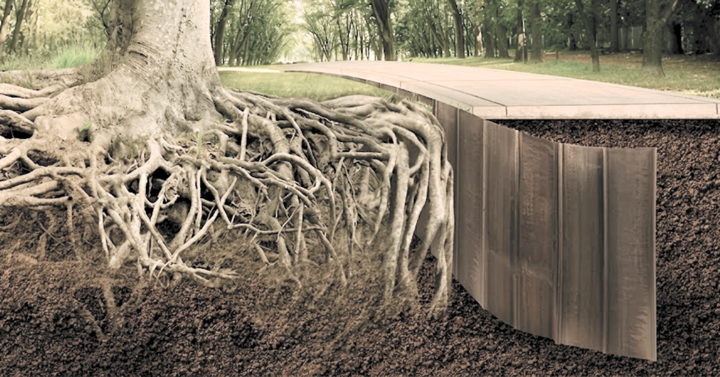
Healthy trees are much less likely to be targeted by beetles. These pests are opportunistic and prefer trees already stressed by drought or construction damage. Keeping your pines well watered during the dry Texas summer is one of the best ways to keep them safe. You should also avoid any activity that compacts the soil around the root zone, as this limits the amount of oxygen and water the tree can absorb.
What should you do with a dead pine?
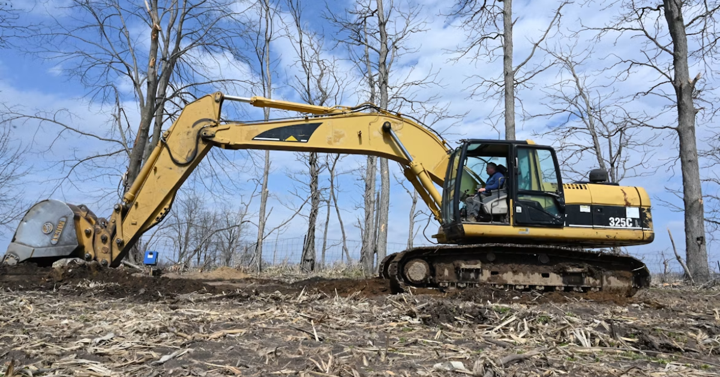
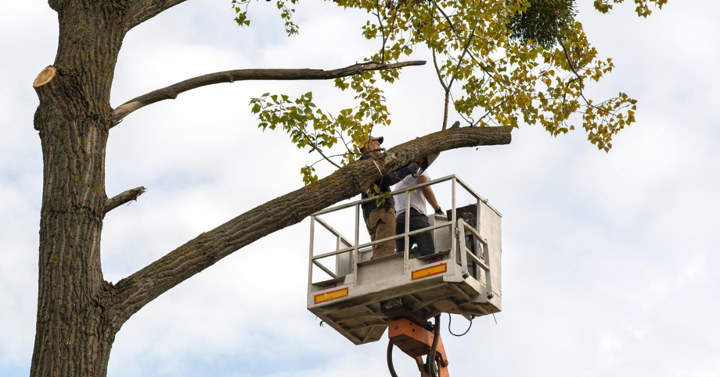
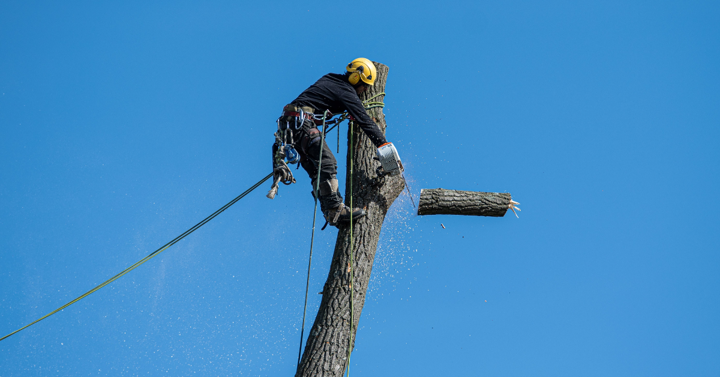
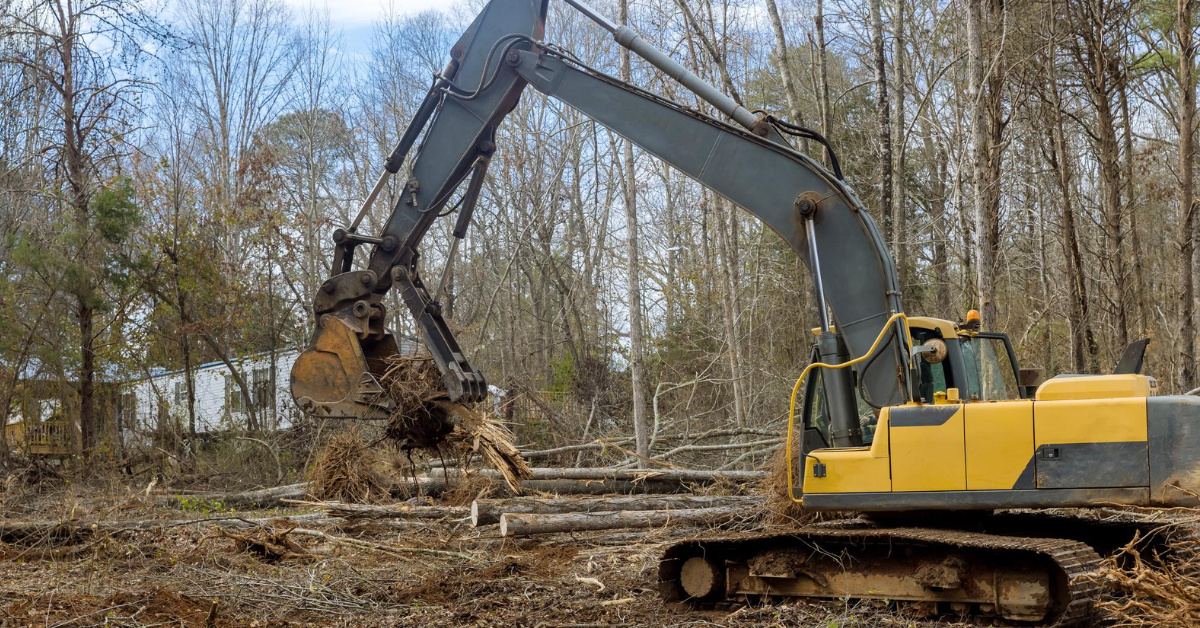
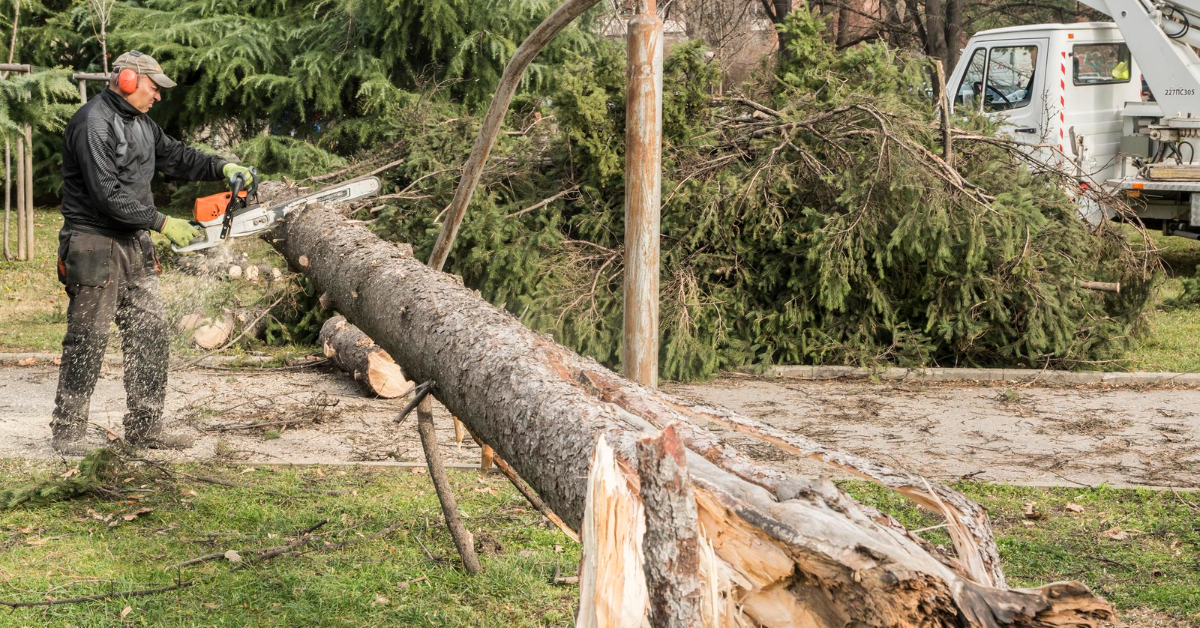
If a tree has already died from an infestation, it becomes a biological hazard for every other tree on your lot. Beetles can easily move from a dead tree to a nearby healthy one. Removing the infested wood and hauling it away is a vital step in protecting the rest of your property. We specialize in these sanitation removals to ensure that the infestation stops with the first tree. You can learn more about our removal process on our Service Page.
Why is professional intervention necessary?
Generic sprays from a hardware store will not reach the beetles once they are inside the bark. A successful treatment for pine bark beetle requires systemic injections that are delivered directly into the sapwood. This allows the tree to pull the treatment up through its own natural processes, killing the larvae where they feed. This method is much safer for the environment than broad spraying because it targets only the pests attacking that specific tree.
Why a healthy canopy matters for Texas homeowners
Maintaining the health of your forest provides several key benefits to your property and the local ecosystem.
- Healthy pines provide essential shade that can lower your energy bills in the summer.
- Strong trees act as a windbreak during the high winds common in East Texas.
- A well managed landscape increases your overall property value and curb appeal.
- Native trees support local wildlife and maintain the natural balance of the soil.
According to data from the Texas A&M Forest Service, bark beetle outbreaks can fluctuate based on annual rainfall and temperature. During severe drought years, the number of lost pines can increase by over 40 percent. This highlights the importance of consistent monitoring and preventative health measures for residential landscapes. For those visiting or living near the Sam Houston National Forest, you can often see the impact of these beetles on large stands of timber.
A Lasting Legacy with The Lone Star Tree Czar
We take pride in being the first line of defense for your landscape. Our veteran led team is dedicated to preserving the natural beauty of Texas through honest assessments and high quality work. We do not walk away until your property is secure and you have the information you need to keep your trees thriving. If you want to see how we handle other local tree issues, feel free to check out our Champions Tree Service blog for more regional tips.
Ready to protect your pines? Visit our Contact Page to schedule a professional health check today.
Frequently Asked Questions
What is pine bark beetle treatment?
It is a targeted application of systemic insecticides or pheromone repellents designed to kill beetles or discourage them from attacking. We typically use trunk injections that allow the tree to absorb the protection internally, ensuring the treatment reaches the cambium layer where the beetles do their damage.
How do you identify a pine bark beetle infestation?
Look for small popcorn shaped sap clumps on the bark known as pitch tubes. You might also see reddish brown sawdust at the base of the tree or on the bark itself. If the canopy begins to thin or turn yellow out of season, it is a sign of stress.
What is the best treatment for wood beetles?
The most effective method is a systemic injection delivered by a professional. This ensures the treatment is distributed throughout the tree vascular system. Surface sprays are rarely effective because they cannot penetrate the thick bark to reach the areas where the larvae are actually feeding and growing.
How to permanently get rid of beetles?
You cannot permanently remove all beetles from the environment, but you can make your trees less attractive to them. Maintaining tree health through proper watering and mulching is key. Removing infested trees immediately also prevents the population from growing and spreading to the healthy pines on your lot.
What is the best time of year to treat pine beetles?
The best time for preventative treatment is early spring before the beetles become active. However, if you see signs of an infestation, you should act immediately regardless of the season. Catching the problem early is the only way to avoid a total removal and save your timber.