
Who Provides Professional Tree Removal and How Do You Spot the Risks?
Owning a home in a heavily wooded area is a privilege, but it comes with heavy responsibilities. When a storm rolls through, your trees become a primary point of concern. You might look at a swaying oak and wonder if it will hold. Identifying the need for tree removal in The Woodlands is about more than just aesthetics. It is a technical assessment of your home’s safety. We understand the stress that comes with hazardous timber. Our goal is to provide a grounded look at how we identify risks and what a professional removal actually involves. By focusing on the facts of tree biology and physics, we help you protect your investment without the pressure of a sales pitch.
The Physics of Structural Tree Failure
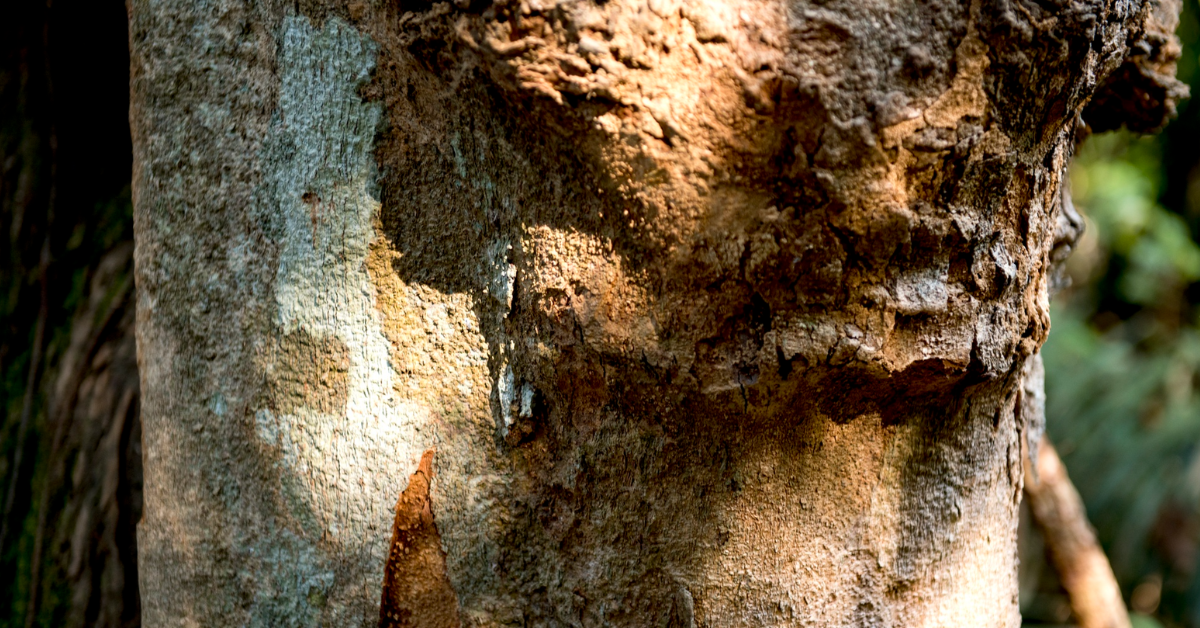
A tree is a living machine that carries immense weight. When a tree is healthy, its fibers can bend and absorb wind energy. However, once internal decay begins, that structural strength vanishes. We often see "hollow" trees that look perfectly green on the outside. This is a major risk. If the outer shell of the trunk is too thin, it cannot support the crown during a wind event. According to OSHA safety data, falling limbs are a leading cause of property damage during Gulf Coast storms. We use specialized tools to check for this "unseen" rot. This ensures we only remove trees that are truly a threat to your foundation or roof.
Technical Precision in Modern Removal
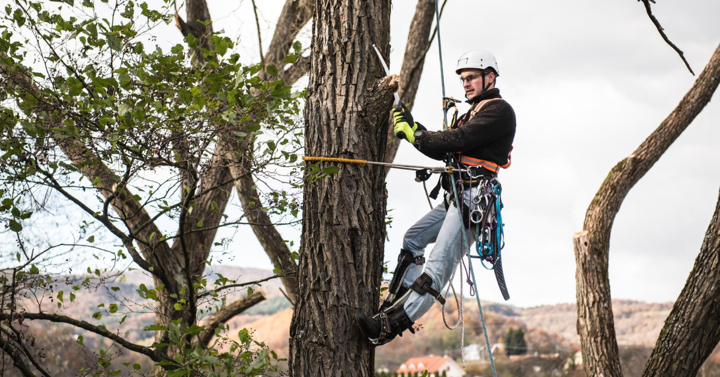
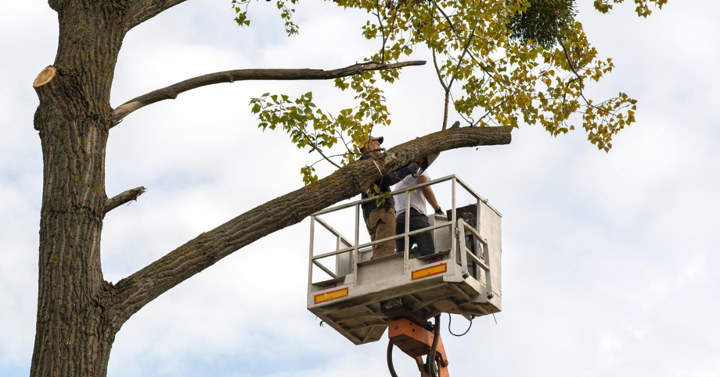
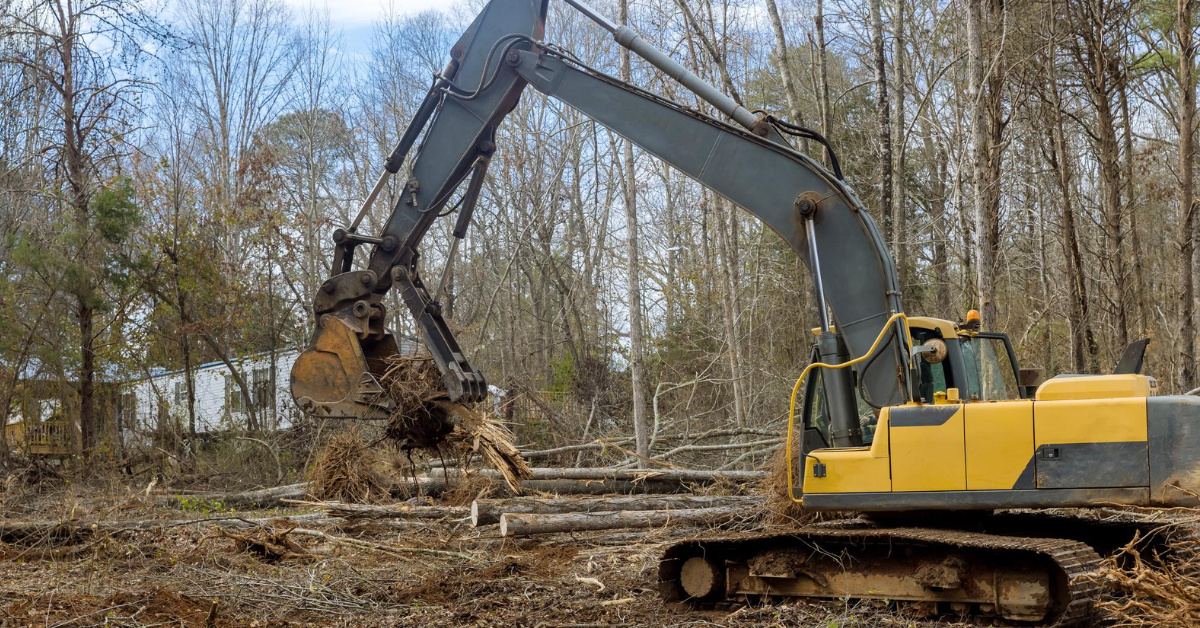
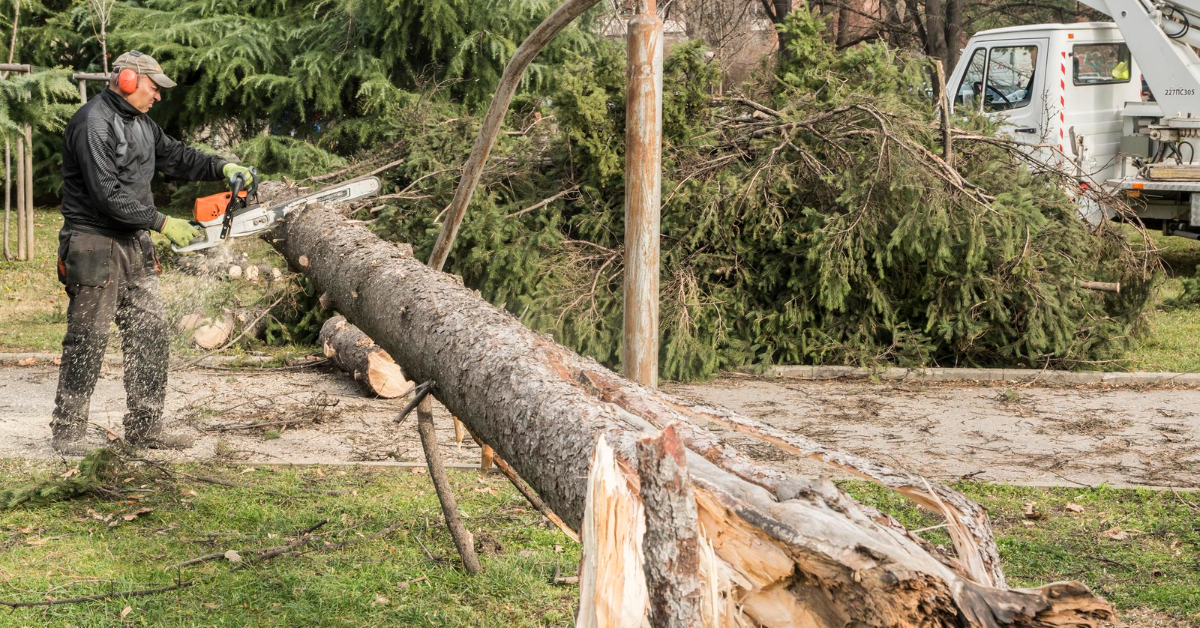
Modern removals are not about just "dropping" a tree. In residential areas, there is no room for error. We use a process called precision rigging. This involves high-strength ropes and friction devices to lower every piece of wood to the ground. This "surgical" approach prevents heavy limbs from crushing your flower beds or cracking your driveway. We don't use heavy cranes that might sink into your lawn. Instead, we rely on high-angle climbing and mechanical advantage. This keeps your property pristine while removing the hazard safely.
Local Canopy Risks in Southeast Texas
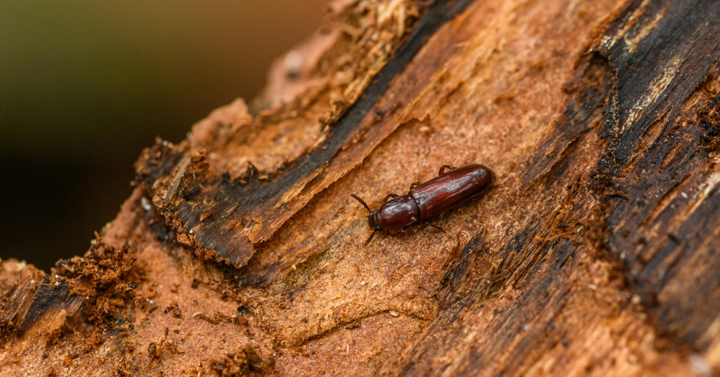
Local geography changes the way trees behave. When you hire a tree service in The Woodlands, you need a team that understands our local soil. The high water table in this region often leads to shallow root systems. Large pines can become "uprooted" quite easily if the ground becomes too saturated. We also deal with specific pests like the Pine Bark Beetle. These insects can kill a tree from the inside out in a matter of weeks. We monitor these local patterns to give you an accurate assessment of which trees are likely to survive the next hurricane season.
The Professional Hiring Checklist
Safety should always be your top priority. Use these bullet points to vet any crew that steps onto your property:
· Active Insurance: Always ask for a current Certificate of Insurance (COI) sent directly from the agent.
· Worker Safety: Ensure the crew uses proper PPE, including helmets and eye protection, as per ISA standards.
· Contract Clarity: Every task, from limb removal to debris hauling, should be in writing.
· Veteran-Led Integrity: Look for companies that operate with a disciplined, no-excuses mindset.
· Zero Upfront Payments: A reputable service will never ask for money before the job is finished.
The Czar’s Promise: Results-First Accountability
At The Lone Star Tree Czar, we treat your property with the discipline it deserves. We built our reputation on veteran-owned integrity. We don't believe in high-pressure sales or confusing technical talk. We simply offer grounded solutions to keep your home safe. Our "no-excuses" approach ensures the job is done right every single time. Our policy is the most client-centric in the industry: you don't pay a single cent until the work is finished and you are 100% happy with the result. We take the professional risk so you can enjoy your yard with total peace of mind.
Secure Your Property Today by Connecting with Us!
Frequently Asked Questions
How often should my trees be inspected?
For mature properties in Southeast Texas, we recommend a professional structural walkthrough at least every two years. However, this schedule should be accelerated following extreme weather events like tropical storms or extended droughts. By catching these issues early, we can often utilize weight reduction pruning or cabling to save a tree that would otherwise require a total, expensive removal.
Is a "cheap" quote a good idea for tree work?
In the tree industry, a "low-ball" price is almost always a warning sign that a company is cutting corners on essential safety overhead. Most "budget" crews lack Workers' Compensation insurance, which is the most significant operating cost for a legitimate service. A professional quote from the Czar reflects the cost of high-tier insurance, specialized rigging gear, and a disciplined, veteran-led crew that prioritizes your family's safety.
Can a tree be saved if it has a hole in the trunk?
It depends entirely on the ratio of "sound wood" to "hollow cavity." We use objective field tests to determine if the tree still possesses the mechanical strength to support its own canopy weight during high-wind events. We assess each case individually to see if the tree is a candidate for preservation through structural pruning, or if the hollow center has made the tree a high-risk liability.
Does pruning help with energy bills?
Yes, professional pruning offers a measurable return on investment through lower utility costs. By utilizing "crown thinning," we increase "wind transparency," which allows heat to escape the canopy rather than trapping it against your roofline. During our humid Texas summers, improved airflow around your home reduces the moisture load on your AC unit, allowing it to cool your home more efficiently.
When is the best time of year to prune?
For safety and immediate hazard mitigation, you should prune year-round; a dead limb over a bedroom is an emergency that cannot wait for a change in season. However, for the long-term biological health of the tree, the "dormant" period of late winter is ideal. Pruning during this window allows the tree to seal its vascular wounds rapidly as the spring growth cycle begins.