

How to Get Rid of Bark Beetles: Complete Control Guide
Larry Moak • November 18, 2026
If you have pine trees on your Greater Houston property and they are showing signs of upper crown dieback, reddish-brown boring dust at the base, or sudden needle drop, the pine bark beetle may already be at work. This is not a problem that waits. By the time most homeowners notice visible symptoms, the infestation is typically past the point where the affected tree can be saved. What matters at that stage is stopping the spread, and doing that correctly requires understanding what you are dealing with.
How Do You Know If Bark Beetles Have Targeted Your Pines?
The signs of a pine bark beetle infestation are specific once you know what to look for. Small, round entry holes roughly the size of a pencil tip drilled into the bark surface are one of the clearest indicators. Beneath that bark, beetles create distinctive gallery patterns as they bore through the phloem layer, which is the tissue responsible for moving water and nutrients through the tree. Once that layer is compromised, the tree begins to fail from the top down.
Other indicators include reddish-brown frass, a mixture of boring dust and resin, collecting in bark crevices or at the base of the trunk. Pitch tubes, small globules of crystallized resin pushed out by the tree as a defensive response, sometimes appear early in an attack before the tree's defenses are overwhelmed. Crown fading, a progression from green to yellow to reddish-brown starting at the top of the canopy, reflects the vascular shutdown as the beetle gallery system expands.
What Does Effective Pine Bark Beetle Treatment Actually Involve?
When we talk about Pine bark beetle treatment, it all comes down to the stage of infestation. For trees currently under active attack, the beetles are inside the phloem layer where surface-applied insecticides cannot reach. At that stage, removal of the infested tree is the most effective intervention available, not because the tree cannot be interesting to try to save, but because a tree actively being colonized serves as a breeding reservoir. A single infested pine left standing can produce enough adult beetles in one generation to overwhelm several neighboring healthy trees within weeks.
For healthy trees in an area where beetle pressure is documented or adjacent trees have recently been lost to beetle activity, preventive pine bark beetle treatment using pyrethroid-based insecticides applied to the lower trunk and bark surface is well-supported by research. The USDA Forest Service documents that preventive chemical barriers on high-value pines in outbreak zones can reduce successful beetle attacks by 80 to 90 percent when applied correctly and timed to adult beetle flight activity (source: fs.usda.gov). In Texas, that activity peaks in late spring and early fall, which makes those the critical application windows.
Treatment is not a single application. Preventive programs typically involve repeat applications aligned with beetle flight cycles, combined with ongoing tree health monitoring to catch any signs of breakthrough activity early.
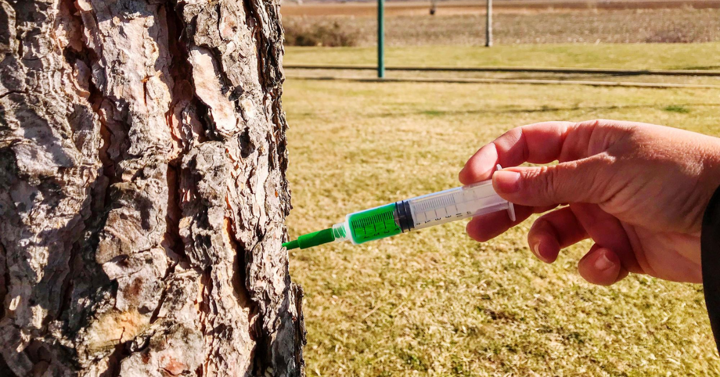
Can Pine Bark Beetle Control Protect Trees Before an Infestation Starts?
Yes, and it is significantly more cost-effective than reactive removal. Pine bark beetle control at the preventive stage focuses on two priorities: maintaining tree health to reduce susceptibility, and applying chemical barriers on high-value trees in areas with documented beetle pressure.
Tree health management in this context means ensuring adequate soil moisture during drought periods, avoiding soil compaction around root zones, and addressing any mechanical damage to the bark surface that creates entry points for beetles. Stressed trees put out chemical signals that beetles detect. A healthy, well-watered pine produces resin pressure that can actively expel beetle attacks in early stages. A drought-stressed pine cannot.
Learn more about how The Lone Star Tree Czar approaches overall tree health and care by visiting our tree services page.
What Should Houston-Area Property Owners Do Right Now?
If you have pine trees on your property and have not had a professional assessment recently, fall is the right time. This is when beetle damage from the summer cycle becomes visible, when preventive treatment for the spring cycle should be planned, and when removal decisions on compromised trees need to be made before winter wind events add structural failure to an already difficult situation.
The Lone Star Tree Czar assesses pine health across the Greater Houston metro and provides honest, specific guidance on whether a tree is a candidate for preventive pine bark beetle treatment, needs to be removed to protect adjacent pines, or is healthy enough that monitoring alone is appropriate. We do not recommend removal for trees that do not need it, and we do not recommend treatment programs that are not matched to the actual risk level at your property.
The Lone Star Tree Czar: Early Action Is Always Cheaper
Pine bark beetle pressure across the Houston metro is real, seasonal, and manageable, but only if you act before an infestation is established. The Lone Star Tree Czar provides professional assessment and pine bark beetle control guidance for residential and commercial properties across the Greater Houston area. Visit thelonestartreeczar.com or call our team to schedule your site visit before the season puts the decision out of your hands.
Frequently Asked Questions
1. What is the best treatment for bark beetles?
For trees under active attack, removal is the most effective response because beetles are inside the phloem layer where surface treatments cannot reach. For healthy trees in a pressure zone, preventive pyrethroid-based insecticide applications to the lower trunk and bark surface, timed to adult beetle flight periods in spring and fall, offer the strongest documented protection available.
2. How do you identify bark beetles on pine trees?
Look for small, pencil-tip-sized entry holes in the bark, reddish-brown boring dust or frass at the base of the trunk or in bark crevices, pitch tubes on the bark surface, and crown fading that starts at the top of the canopy and progresses downward. These signs together confirm active beetle colonization rather than isolated stress symptoms.
3. How do you get rid of bark beetles naturally?
Natural control options include maintaining tree health through consistent irrigation during drought periods, avoiding soil compaction around root zones, and removing infested trees promptly to eliminate breeding populations. Healthy trees produce resin pressure that physically expels early beetle attacks. Weakened or stressed trees lose that defense, which is why water management is the most practical natural preventive measure available.
4. How do you get rid of bark beetles in the house?
Wood-boring beetles that enter a home typically come in through infested firewood or lumber. Remove and dispose of any infested wood immediately. Treat structural wood showing active boring activity with appropriate residual insecticide applied to the surface. Seal entry points, reduce moisture in wood-contact areas, and consult a pest management professional if the infestation extends into structural framing rather than surface or stored wood.
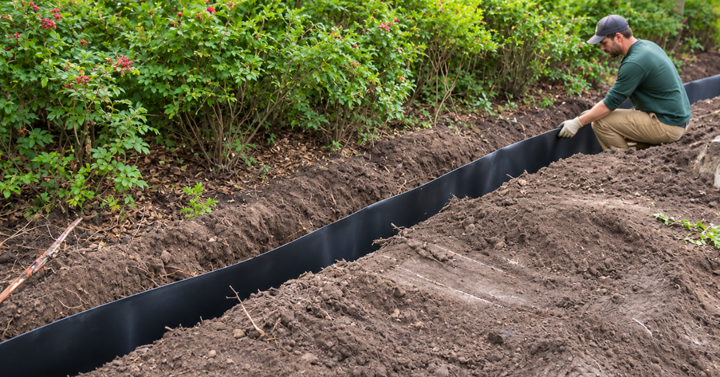
Root wall barriers help prevent unwanted root growth and protect surrounding areas from damage caused by expanding tree roots.

Houston tree services can help with dead branches, tree disease, storm damage, and other warning signs. Learn when your trees may need professional care.
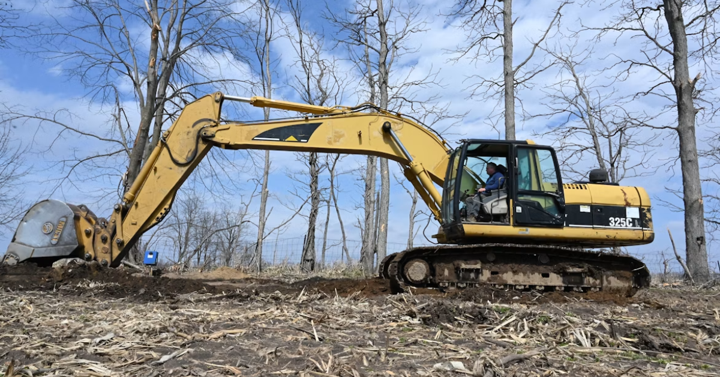
Discover what land clearing service includes in Houston, from brush and invasive species removal to stump removal, debris cleanup, tree preservation, and drainage.
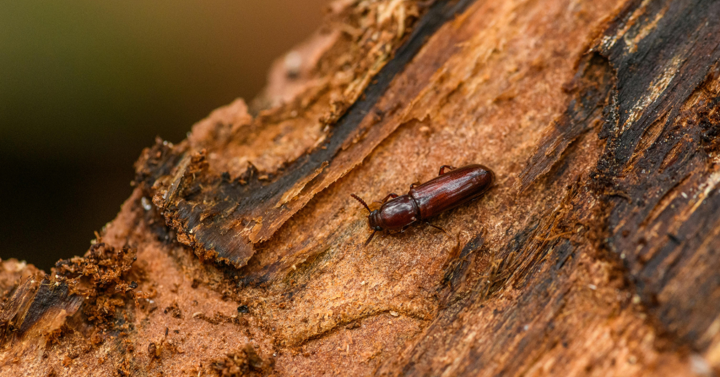
Learn about pine bark beetle treatment options, effective insecticides, and tree protection strategies from The Lone Star Treeczar to help protect your pine trees.
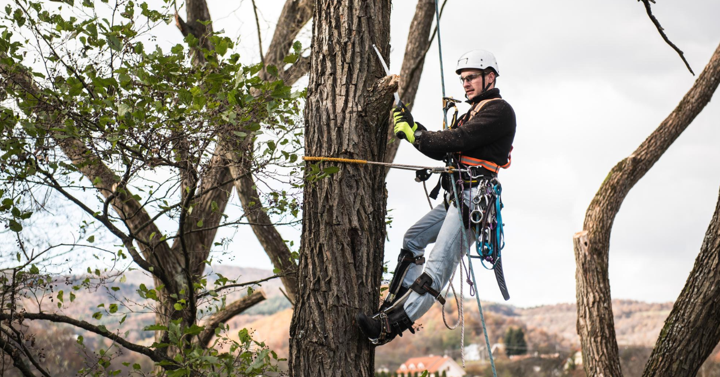
Find the right Houston tree services for your property with expert guidance from The Lone Star Treeczar on choosing reliable tree care and service options.
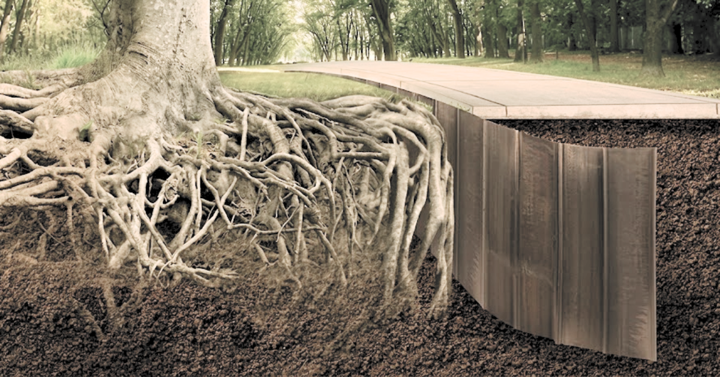
Discover the value of root wall barriers for protecting Houston foundations from invasive tree roots. The Lone Star Treeczar shares practical insights into root management solutions that support healthy trees while helping reduce the risk of structural damage.
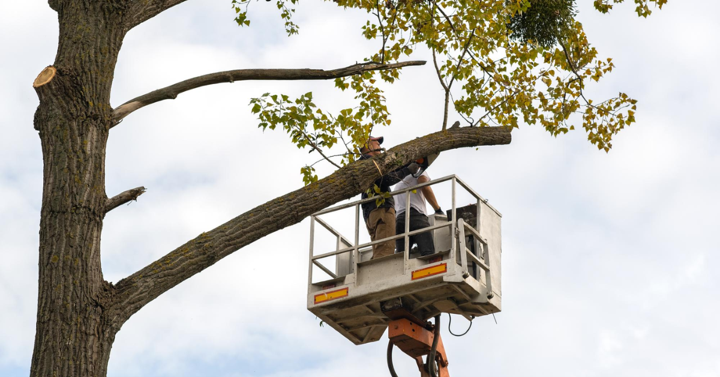
Explore the qualities that make tree service in Conroe, TX stand out. The Lone Star Treeczar shares practical insights on professional tree care, experienced service, and the factors that matter when choosing a trusted tree service provider.
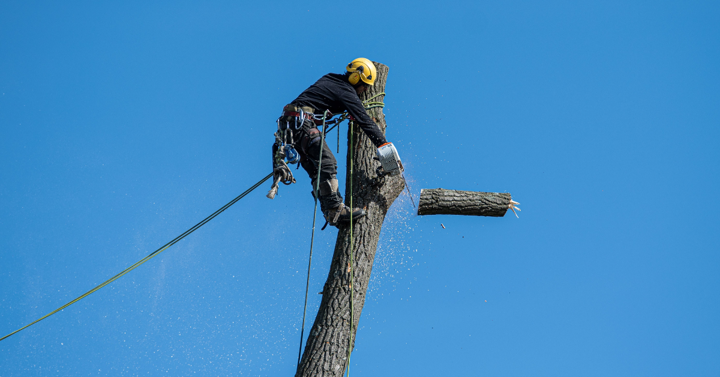
Find the qualities that define a professional tree service company. The Lone Star Treeczar shares practical guidance on experience, safety, and dependable tree care to help property owners make informed service decisions.
Learn important factors to consider before hiring a land clearing service. The Lone Star Treeczar shares practical guidance to help property owners prepare for safe, efficient, and professional land clearing projects.
Choose the right land clearing contractor in Texas with expert tips from The Lone Star Tree Czar. Learn what to look for, compare services, and ensure your project is completed safely and efficiently.
